“tropical fruits” search results (2000)
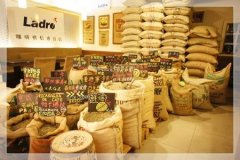
The cultivation of coffee
Coffee cultivation is now widely grown in the ribbon between the Tropic of Cancer and the Tropic of Cancer. Coffee grown in different regions has different flavors.
2014-06-17 Coffee knowledge coffee cultivation coffee encyclopedia
The Origin of Coffee beans Coffee Bean processing methods Coffee beans Historical Development
The development of coffee beans began to become popular in the coffee industry in China in the 19th century. Up to now, coffee trees are very similar to laurel trees, usually growing in the area between the Tropic of Cancer. A coffee tree usually grows for about three to four years before it begins to bear fruit. the fruit is a red berry and a small number of yellow berries. It can be separated after drying and removing the pulp.
2016-05-27 Coffee beans Origin treatment way History Development course medium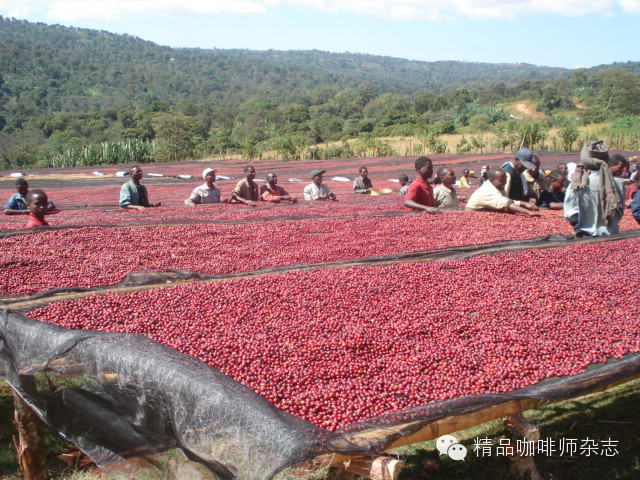
Looking forward to (Perci N2) 90 + mixed aromas of figs and honey in Rosa Manor of Panama
[treatment]: ninety + patented Solkiln secret treatment method the house uses special equipment to control temperature and humidity to prolong the drying time, enhance the taste but keep it as clean as washing. [flavor]: mixed aromas of figs and honey, with rich layers of melon, kiwifruit and slightly tropical fruits on the palate. Outlook (Perci N2): [place of origin]:
2016-07-22 Outlook Perci 90 Panama Rose Summer Manor Fig Honey Mixer
Fine Coffee learn the growing environment of coffee
Coffee is native to tropical Africa, the small seed is originated in the tropical plateau of Ethiopia, between 900 and 1800 meters above sea level, with an average annual temperature of 19C; the medium seed is native to the tropical rain forest region of the Congo, below 900 meters above sea level, with an average annual temperature of 2126. C 1. Different varieties of temperature coffee have different requirements for temperature. Small seed species need a cooler climate and an annual average temperature of 1.
2014-10-16 Coffee knowledge boutique coffee science coffee growing environment
Introduction of bitter, fragrant and delicious coffee from La Tisa Manor in Guatemala
Guatemala is located in the tropics, the northern and eastern coastal plains have a tropical rain forest climate, the southern mountains have a subtropical climate, the year is divided into two dry and wet seasons, with the wet season from May to October and the dry season from November to April of the following year. The narrow and fertile flatlands on the Pacific side of Guatemala have a tropical climate. The central plateau is also the cultural center of Guatemala, where the year-round temperature ranges from 1300 to 1800 meters.
2016-09-02 Fragrant taste Guatemala Ratti Manor Coffee Flavor characteristics Variety introduction
CAFFE PASCUCCI tells you what coffee is.
The word Coffee comes from a small town in Ethiopia called kaffa. In Greek, Kaweh means strength and passion. Tea, coffee and cocoa are called the three major drinks in the world. Coffee tree is a small evergreen tree of Rubiaceae, native to Ethiopia. Small evergreen trees or shrubs of tropical and subtropical regions. Long ovate leaves, white flowers, crimson berries
2015-04-08 CAFFE PASCUCCI for you tell me coffee what is coffee?
Tropical Rainforest Alliance Certification and Fair Trade Coffee Organization
Tropical Rainforest Alliance Certification and Fairtrade Coffee Organization, to put it simply, is to enable us consumers to continuously and reasonably produce safe and delicious coffee; therefore, Fairtrade Coffee advocates that producers must be paid the appropriate equivalent price when dealing with producers in order to maintain a good partnership and ensure that producers have sufficient funds to continue production. The cultivation of coffee
2015-01-12 Tropical rainforest alliance certification fairness trade coffee organization tropical rainforest
The origin of coffee the main producing countries of coffee
The origin of coffee the word coffee comes from the Greek word Kaweh, meaning strength and enthusiasm. Coffee tree is an evergreen shrub of Capsaceae. Daily coffee is made from coffee beans combined with a variety of cooking utensils, and coffee beans refer to the nuts in the fruit of coffee trees, which are then roasted with appropriate roasting methods. There are various legends about the origin of coffee, but most of them
2015-08-05 Coffee origin major country of origin coffee word Greek Ka
90+levelup raw beans imported from Sidamo Ethiopia Derar Ela Dre Ella / Flower language Solar
Ninetyplus90+ Level Up Derar Ela country: Ethiopia: Shakiso, Kibremengist, Guji altitude: 1700-2000 m treatment: sun varieties: Ethiopian native species producer: local smallholder flavor: berries, flowers, grapes, a variety of tropical fruits rich aromas Ninetyplus is an internationally renowned coffee bean
2016-03-10 Dharma Import 90+levelup Raw Bean Yesso Biya Dera
Coffee planting Coffee Tree
Coffee cultivation now, in the belt between the Tropic of Cancer and the Tropic of Cancer, coffee is widely grown. Coffee grown in different regions has different flavors. The unique soil, climatic conditions and planting methods of a country make the coffee produced in that country have a unique flavor. French winemakers call this phenomenon regional style. Geographically, a global coffee growing area
2014-09-05 Coffee planting coffee tree species
What are the advantages and disadvantages of coffee?
The word Coffee comes from a small town in Ethiopia called kaffa. In Greek, Kaweh means strength and passion. Tea, coffee and cocoa are called the three major drinks in the world. Coffee tree is a small evergreen tree of Rubiaceae, native to Ethiopia. Small evergreen trees or shrubs of tropical and subtropical regions. Leaves long ovate, flowers white, dark red
2016-05-25 Coffee what advantages disadvantages coffee the word comes from Ethiopia.
Introduction to the Goddess Manor for the treatment of Yellow Honey in Costa Rica Coffee producing area
Las Lajas Estate Yellow Honey country: Costa Rica; producing area: central Valley Grade: SHB; treatment: yellow honey treatment altitude: 1300-1500m; Variety: Caturra, Catuai flavor description CUPPING NOTES: honey, tropical fruit, maple syrup, cantaloupe Honey,Tropical Fruit,Mapl
2016-07-04 Costa Rica Coffee producing area Yellow Honey treatment introduction Goddess Manor Russ
The Origin of Coffee Coffee is mainly produced in countries and etiquette
The origin of coffee the word coffee comes from the Greek word Kaweh, meaning strength and enthusiasm. Coffee tree is an evergreen shrub of Capsaceae. Daily coffee is made from coffee beans combined with a variety of cooking utensils, and coffee beans refer to the nuts in the fruit of coffee trees, which are then roasted with appropriate roasting methods. There are various legends about the origin of coffee, but most of them
2015-08-31 Coffee origin main country of origin etiquette coffee the word from Greek
Coffee training-what is Rainforest Alliance Certification?
Have you ever heard of Rainforest Alliance certification when buying coffee beans? So what is Rainforest Alliance certification?
2014-05-16 Coffee knowledge coffee training rainforest alliance
Costa Rican Marcho Manor Sun Coffee cooked Bean Tara Pearl production area Saint Rose processing Plant
Coffee bean details: country: Costa Rica Grade: SHB production area: Tara Pearl altitude: 1900 m treatment: sun varieties: red Kaduai producer: Machu Manor Flavor: berries, yellow fruit notes, apples, tropical fruit aftertaste is located in the high-altitude Macho estate in Tara Zhu producing area, run by the Naranjo family. The Naranjo family has grown coffee beans.
2015-07-24 Costa Rica Machu Manor Sun Coffee cooked beans Tara producing area Rose
From planting coffee trees to harvesting coffee beans
Coffee trees take 3-5 years from planting to fruiting. 6-10 years of coffee trees are the most likely to bear fruit, about 15-20 years, is the harvest period.
2014-07-14 Coffee knowledge coffee tree planting coffee planting process coffee beans
What conditions do you need to grow coffee? can you grow your own coffee?
Soil: fertile tropical Hawaiian volcanic soil that provides the dense nutrients of the Kona Coffee Tree. Altitude: the appropriate altitude of 2100 to 3600 meters and the cool moonlight promote the fruit of Kona Coffee to ripen slowly and create an excellent taste with rich appearance and full moisture. Rizhao: warm tropical sunshine plays an important role in the reproduction of coffee trees.
2016-05-19 Grow coffee need what condition can oneself soil live Hawaii
West Dharma imported 90+levelup raw beans Ethiopia Derar Ela/flower language sun
Ninetyplus90+ Level Up Derar Ela Country: EthiopiaOrigin: Shakiso, Kibremengist, GujiElevation: 1700- 2000mTreatment: SunlightVariety: Ethiopia Native BreedProducer: Local Smallholder Flavors: Berry, Floral, Grape, Various Tropical FruitsRich Aromas Ninety plus is an internationally renowned coffee bean
2016-03-10 Dharma import 90 +levelup raw beans Ethiopia Biya Dera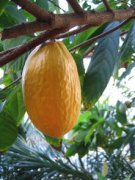
What's the difference between cocoa beans and coffee beans?
Cocoa and coffee are two different plants with different tastes. Chocolate, formerly known as cacao, is a seed taken from the fruit of a cocoa tree, which grows directly from tree trunks and branches, also known as cocoa pods. Mature cocoa fruits, that is, cocoa pods, change in color from turquoise to yellowish brown or reddish brown, with different species of trees
2015-03-04 Coffee common sense cocoa beans coffee beans what the difference but and coffee two no
The Flavor of Guatemalan Coffee beans Fine Coffee beans from Vivetnam Fruit producing area
Guatemala is bordered by Mexico to the north, Honduras and El Salvador to the south, the Caribbean to the east and the Pacific Ocean to the west, with tropical rain forests, volcanic geology, plateau valleys and changeable microclimate. The average elevation of dangerous countries is high, with coffee belts distributed over 1500 meters and between 14 and 16 degrees north latitude, it is easiest to grow extremely hard beans, all of which are washed, 45% of which are washed.
2016-04-29 Boutique Coffee Guatemala Coffee beans Flavor Viv Tenan producing areas Fine products